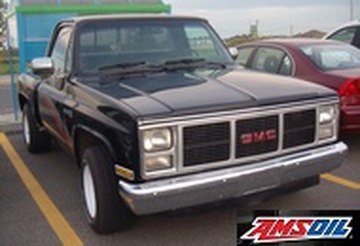
Lubrication Maintenance for the 1982 Gmc Trucks K2500 5.7L
Maintaining a vehicle of this era requires a proactive approach to fluid management and mechanical inspection. For owners of the 1982 Gmc Trucks K2500 equipped with the 5.7L engine, consistent attention to lubrication systems is a fundamental aspect of long-term ownership. Because these vehicles have been in operation for several decades, service routines should focus on monitoring the current condition of components rather than relying solely on age-based assumptions.
Monitoring Fluid Integrity and Potential Seepage
A primary task during any routine service interval is a thorough visual inspection of the engine area to identify signs of fluid movement. Over time, various seals and gaskets may experience changes in their ability to maintain a perfect seal. When performing an inspection, look for areas of dampness or dark staining around sealing surfaces. Identifying these signs early can help distinguish between minor seepage and more significant leaks that require attention.
It is also beneficial to examine the area around the oil drain plug and the filter mounting surface. Ensure that there is no evidence of residue that might suggest a loose component or an improper seal from a previous service. If you notice any unexpected fluid accumulation, it warrants further investigation to determine the exact source. Additionally, checking for signs of overheating during operation can be useful, as excessive thermal stress can sometimes influence how fluids behave within the engine environment.
Observing Changes in Engine Performance and Indicators
Beyond visual inspections, paying close attention to how the vehicle operates provides critical feedback regarding its lubrication health. Owners should remain observant of any changes in mechanical sounds or operational smoothness. While many factors can contribute to unusual noises, a sudden change in the acoustic profile of the engine during startup or idling is always worth investigating.
If the vehicle is equipped with an oil pressure indicator or warning light, these are vital tools for monitoring system health. Any unexpected behavior from these indicators—such as a light that stays illuminated or a gauge that fluctuates outside of its normal range—should be addressed immediately. Furthermore, keep an eye out for any changes in exhaust characteristics. While various factors can influence exhaust appearance, certain visual cues may indicate that the engine is managing fluids differently than it has in the past. Always remember that symptoms like unusual odors or sounds can have multiple underlying causes, so a professional diagnosis is often necessary to pinpoint the exact issue.
Managing Maintenance Records for Long-Term Care
For an older truck like the 1982 Gmc Trucks K2500, establishing and maintaining a clear service history is one of the most effective ways to manage maintenance priorities. If you have recently acquired the vehicle and do not have access to previous records, your first priority should be to establish a baseline. This involves performing a comprehensive inspection of all fluids, filters, and accessible mechanical components to document their current state.
Keeping a detailed log of every oil change, filter replacement, and repair helps in identifying patterns. For example, tracking how often you need to check fluid levels can provide insight into the engine's consumption characteristics. This documentation also assists in distinguishing between routine preventive maintenance and necessary repairs. When records are incomplete, focusing on the current physical condition of the vehicle—rather than just the calendar year—allows for more accurate and cost-effective decision-making regarding which service tasks should be prioritized.
Inspecting Auxiliary Components and Connections
A comprehensive maintenance routine extends beyond the engine oil itself. If equipped, inspect all accessible drive belts for signs of wear such as cracking, glazing, or fraying. Similarly, if the vehicle is equipped with various hoses, check them for signs of softening, swelling, or brittleness. These components are subject to heat and age, and their condition can impact the overall reliability of the engine's support systems.
Electrical connections and wiring harnesses should also be inspected for cleanliness and secure attachment. Corroded or loose connectors can lead to erratic sensor readings or electrical issues that might mimic mechanical problems. By addressing these secondary components during your regular service intervals, you ensure that the environment surrounding the engine remains stable and well-maintained.
Prioritizing Service Based on Current Condition
As vehicles age, the philosophy of maintenance often shifts from strictly following a schedule to responding to the actual condition of the machine. For the 5.7L engine in this K2500, this means prioritizing tasks that address active concerns. If an inspection reveals a slow seepage or a worn belt, these should be addressed before moving on to more general preventive measures.
Monitoring changes in how the vehicle consumes fluids is also a key part of this condition-based approach. If you notice that fluid levels are dropping more rapidly than they were during previous months, it serves as an early indicator that a component may need attention. This method of maintenance ensures that resources are directed toward the most impactful areas, helping to maintain the vehicle's operational integrity without performing unnecessary or premature replacements.
Practical Advice for Buying Engine Oil for your 1982 Gmc Trucks K2500 5.7L
When it is time to replenish your engine lubricant, the most important step is to ensure the product matches the specific requirements of your application. Rather than making assumptions based on the age of the truck or general automotive trends, you should always refer to the vehicle-specific oil viscosity and application information provided on this webpage.
When selecting a product, consider the following practical steps:
- Match the Application: Use the exact viscosity grade listed in the technical specifications above to ensure the lubricant meets the intended design parameters for your 5.7L engine.
- Verify Quality: Look for products that carry the appropriate API certification to ensure they meet modern standards for detergent and additive performance.
- Evaluate Formulations: Depending on your specific needs, you may choose between conventional, synthetic blend, or full synthetic oils. Some high-mileage oil formulations also contain additives intended for use in aging engines, including seal-conditioning additives.
- Check the Label: Always verify that the information on the physical bottle matches the requirements identified in your vehicle's documentation before completing your purchase.